
Hectares of Possibility: Building a Regenerative Roadmap Across Douglas Shire
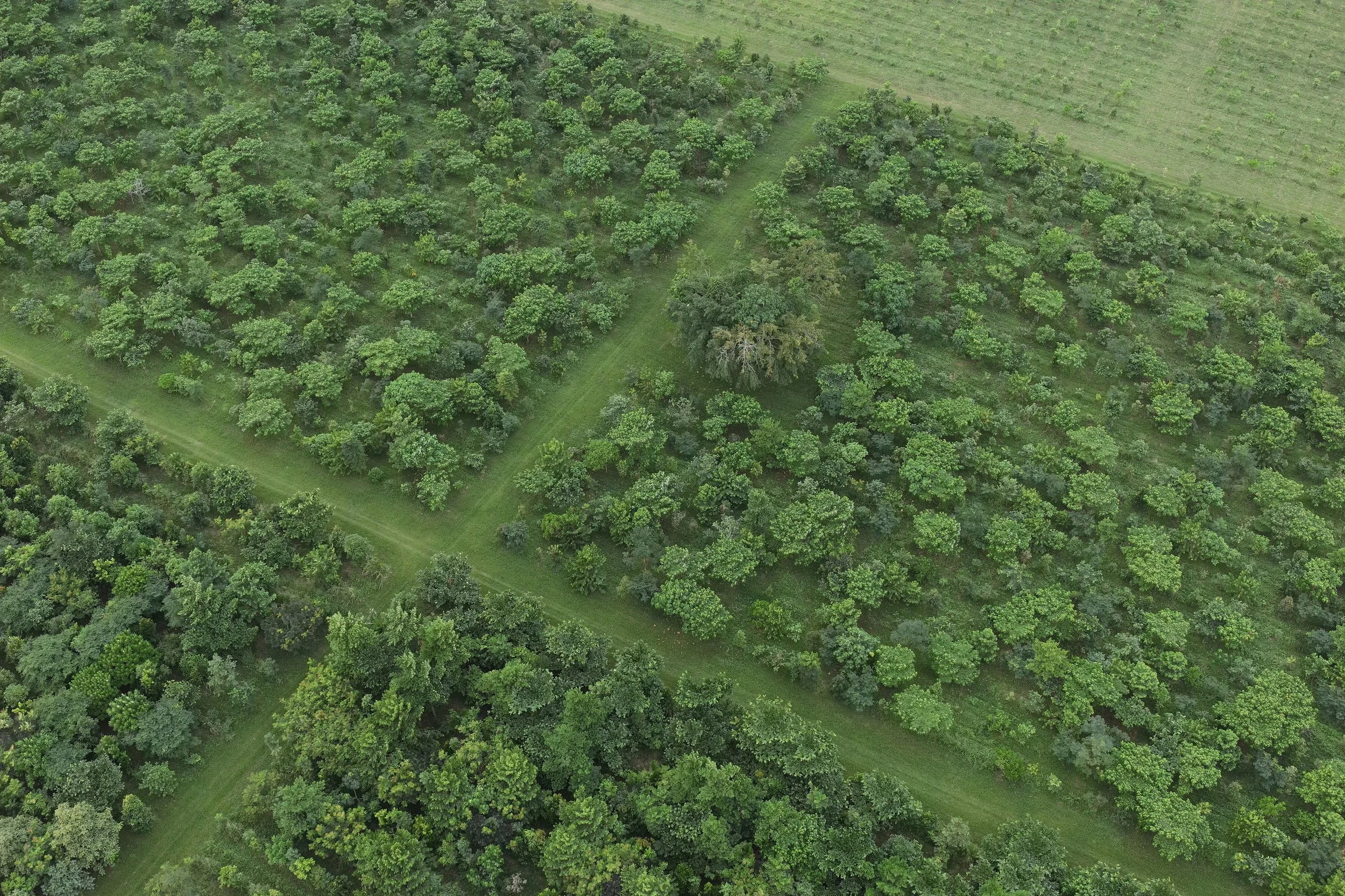
In Far North Queensland, the soil of Douglas Shire holds a complex story.
It is a place shaped by the richness of the Daintree Rainforest and the legacy of sugar cane, by the steady work of farmers and the enduring connection of First Nations people to Country, and by mounting climate pressure. It is also home to a community that still remembers when land management was more diverse, more reciprocal and more closely tied to place.
The region has known both abundance and exhaustion, and it now faces a new question:
What future can we grow together?
Our answer begins with 213 hectares at Cape Kimberley, a working example of what becomes possible when regeneration takes hold. From there, the vision extends to shared regenerative action across Douglas Shire, towards a future in which the whole shire becomes a thriving, connected landscape of ecological renewal, cultural connection and meaningful local livelihoods.
From 213 Hectares to a Diverse Regenerative Region
Since 2021, we have been developing the Tropical ReGen project on land with its own history of change, from rainforest to cattle, to food production and then to fallow ground. It is now becoming a living system that combines high-biodiversity rainforest, experimental agroforestry, organic food production and ecosystem restoration.
The project is not a standalone story. It is a working prototype, a place to trial, test and adapt regenerative strategies that can be shared across the region and further afield, and to help shape a regional regenerative roadmap built on collaboration.
No single solution will suit every property. That is why we are developing a set of flexible strategies adapted to the region, to help landholders, Traditional Custodians, growers, young people, councils and local industries find models that work for them.
Regeneration does not mean starting again from nothing. It means opening new possibilities, informed by what has come before and shaped by what lies ahead.

Land Diversification as a Regional Strategy
As Douglas Shire looks ahead, the opportunity is not to turn away from the past but to widen what the land can do.
Monocultures have helped shape the region’s identity. We are now inviting land stewards to consider a broader role for their land, one that supports biodiversity, generates income, strengthens community wellbeing and creates jobs in land stewardship, food systems, research and restoration.
A regenerative transition benefits people as well as the planet.
By scaling up regenerative practice across Douglas Shire, a suite of models suited to local conditions can strengthen the regional economy. These models are not prescriptive. They are adaptable frameworks that landholders and communities can shape around their own vision, their landscape and their starting point.
Five Regenerative Pathways in Practice
1. Native Regeneration Corridors
Focusing on high-biodiversity plantings using native species, these corridors can help restore ecological function, support species like the cassowary, and create new opportunities in carbon and biodiversity credits and low-impact tourism.
2. Blended Food Production & Native Systems
Agroforestry systems that combine native canopy trees with productive species - like fruit, timber, or medicinal plants. These systems create microclimates, build soil health, and support long-term ecological and financial resilience.
3. Dense Agroforestry for Local Food Security
Food forests designed for staggered yields - from short-term greens to long-term canopy crops - reducing reliance on freighted-in produce and opening opportunities for education, co-operatives, and local processing.
4. Agroforestry Timber Models
Integrating long-cycle native hardwoods within biodiversity-supportive frameworks, these models provide an income stream while improving resilience to droughts, storms, and market volatility.
5. Custom Pathways in Development
We’re co-developing tailored transition options for specific land types and industries:
Sugarcane → Agroforestry
Grazing → Silvopasture
Mining → Ecological Restoration
Each pathway is backed by practical guidance, digital infrastructure and scenario modelling tools that help users explore what is possible on their land.
This vision can help drive a more circular and resilient regional economy, one that brings local aspirations into line with state, national and international sustainability agendas, from Queensland’s economic diversification goals to Australia’s biodiversity and carbon targets and the UN Sustainable Development Goals.
ClimateForce is well placed to connect these levels, linking grassroots initiatives with policy frameworks and investment pipelines so that Douglas Shire is not left behind, but leads the way with integrity.
Why This, Why Now?
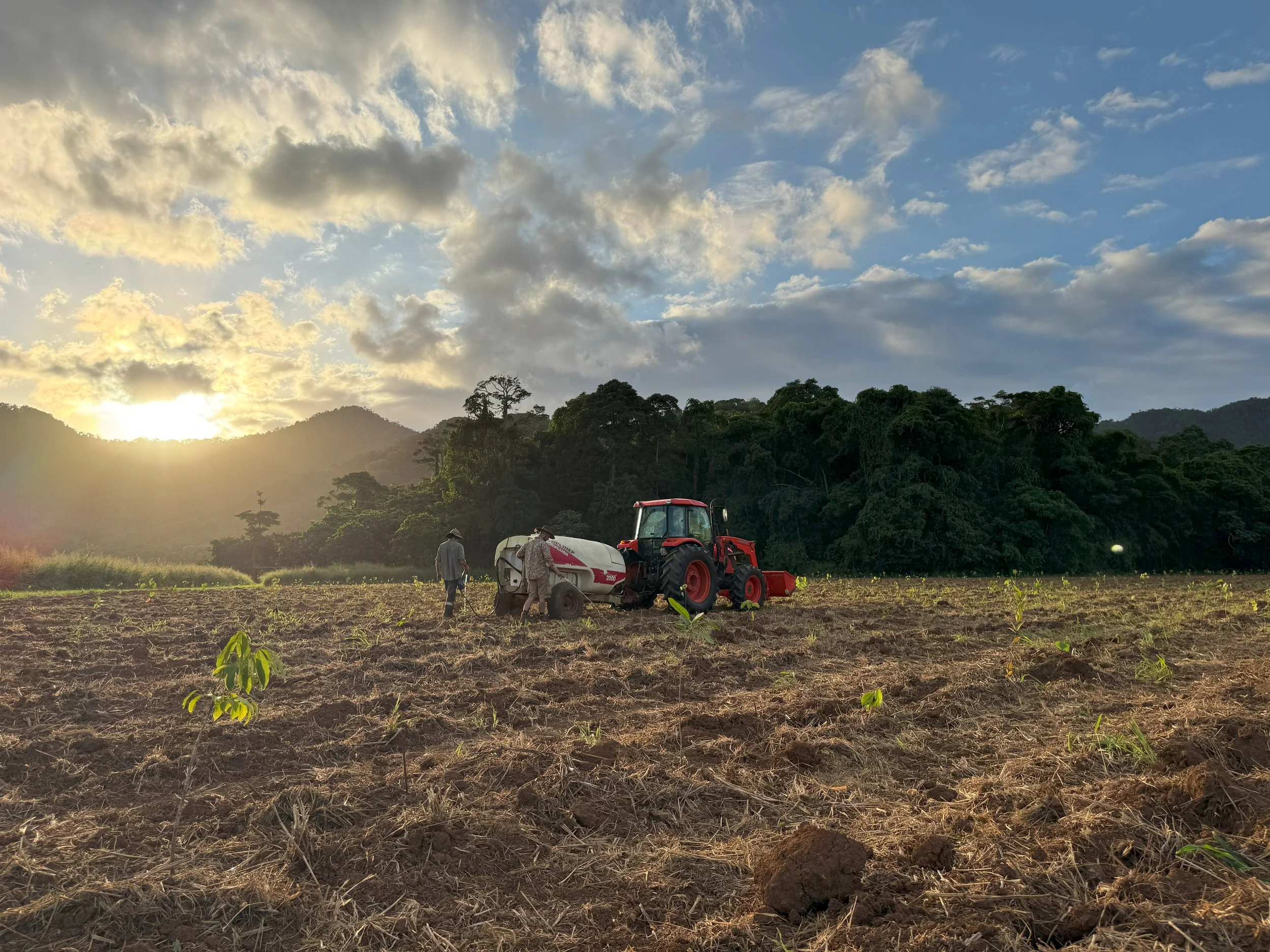
The collapse of the Mossman Mill in 2023 left many people asking what comes next for agriculture in the region. Proposals to truck cane to Gordonvale offer short-term relief, but they also raise a deeper question about the most strategic, community-aligned use of the region’s land and resources from here.
This is a moment of opportunity, not only to solve an immediate problem but to rethink land use with future generations in mind.
It’s a chance to:
- Invite landholders into new possibilities.
- Attract values-aligned investment.
- Strengthen community food systems and local industries.
- Position Douglas Shire as a leader in climate-smart, culturally grounded land transition - not just for Queensland, but for the Asia-Pacific.
This will not be easy, but the region has the knowledge, capacity and creativity to chart a new course together. Douglas Shire could show what a community-led regenerative economy looks like, and make a real contribution to Queensland’s green recovery and to Australia’s international climate and biodiversity commitments.
A Platform to Support Regeneration - at Any Scale
To support this transition, we are building an open-source platform that helps landholders and communities map, model and manage regenerative land use, with transparency at its core.
Designed to be accessible, practical and inclusive, it offers tools for a wide range of users, from small farms to cultural land trusts, schools to councils, and graziers to growers.
What the Platform Offers:
Value Flow Engine
Connects carbon, biodiversity, food, and timber metrics with real-world revenue pathways - projecting outcomes across ecological and economic dimensions.
Live Site Data
Our 213ha pilot site provides real-time insights - from tree survival rates and species diversity to community engagement metrics and environmental monitoring. Each user sees site-specific data tied to their own level of input and activity. This will be unique to your project.
Transparent Modelling Assumptions
Every data point, formula, and method is published - building trust and enabling informed decision-making.
Transition Scenario Modelling
Compare current vs. regenerative systems using return-on-investment tools, carbon metrics, biodiversity outcomes, and resilience factors.
Guidance for Certification Pathways
Whether you're working toward organic certification (ACO), exploring biodiversity credits, or preparing for carbon markets, the platform helps map your steps.
Mapping & Project Management Tools
Plan infrastructure, track restoration efforts, and visualise ecosystem service layers to support on-ground action.
The platform is open source - built to be transparent, adaptable, and accessible. While currently in closed beta, we’re offering full feature access to the first 1000 hectares registered within the system. This initial rollout is designed to reflect the diversity of Douglas Shire’s landholders and primary industries - from small farms to large properties, from coastal zones to inland valleys.
Our aim is to ensure the platform is shaped by real-world use across the broadest cross-section of the community - gathering insights, testing functionality, and refining methodologies that can be shared and repeated. Most importantly, this system is being developed in partnership with the people on the ground - learning together, building trust, and creating a tool that truly supports regenerative land use across the region.
Rooted in Relationships: Regeneration Through Partnership and Community
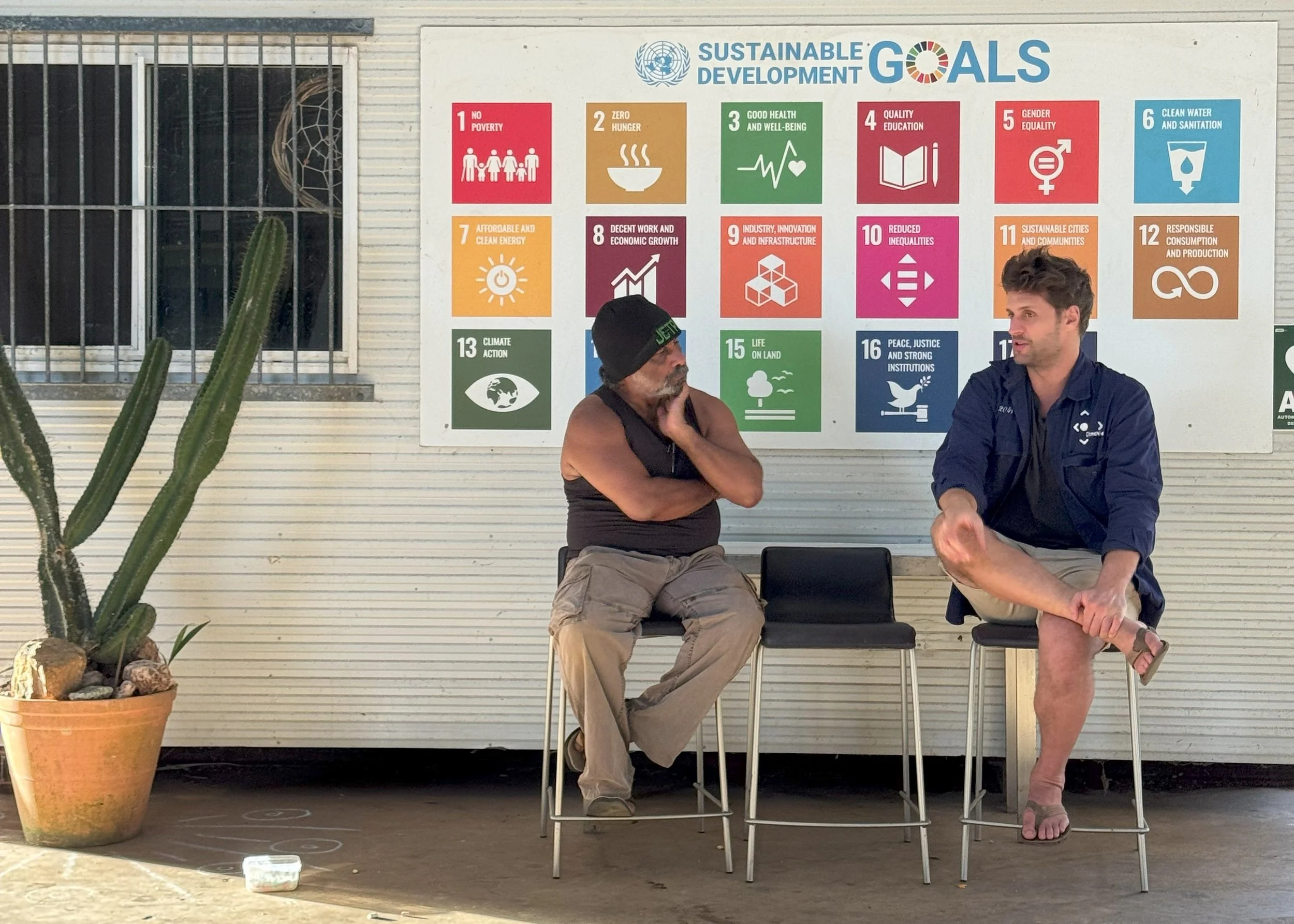
We are fortunate to work alongside a growing community of collaborators, including Jabalbina Yalanji Aboriginal Corporation, Terrain NRM, Rainforest Rescue and a widening circle of local farmers, Elders, schools and youth groups who are helping shape this roadmap with us.
Our role is not to set the direction. It is to listen, co-create and support, providing tools, opening pathways and amplifying the voices already rooted in this place. Each new project added to the platform brings another story into the broader picture of regeneration across Douglas Shire.
The work extends well beyond trees. At our 213-hectare pilot site, food forests are beginning to establish, showing how communities can grow more of their food close to home and rely less on produce freighted in from elsewhere. Young people and Elders meet on shared ground, planting side by side, exchanging knowledge and strengthening cultural connection. Hands-on workshops teach practical skills, from organic weed management to natural soil amendments and regenerative design. The site also holds space for connection, stillness and community, a place to slow down and return to the rhythm of the land.
Regeneration is relational as well as ecological. It shapes how we care for land, and how land in turn helps us care for one another. It rests on shared action, shared healing and a future built together, with respect for this place and confidence in what it can become.
Looking Ahead: From Douglas Shire to the Region and Beyond
This model is already working here, and we believe it can inform land transitions across the wider Asia-Pacific.
From the Torres Strait to Timor-Leste, many communities face similar challenges: degraded land, climate shocks, weakening food systems and the need for economic models that regenerate rather than deplete.
What we develop here can become a toolkit that others can adapt to their own places, while staying grounded in action led by local communities.
Our roadmap:
MVP (now) → Working Product (2026)
→ Regional Impact (2027–28)
→ APAC-Ready Toolkit (2029+)
Each phase grows the ecosystem - not just the platform, but the people and partnerships behind it.
An Invitation to Walk With Us
You do not need to know everything about regeneration, or be an expert in carbon, biodiversity or agroforestry. All it takes is curiosity about what is possible and a willingness to explore.
If you are a landholder, whether on 5, 50 or 500 hectares, and you are interested in taking a different path, we are here to support you.
And if you are part of a Traditional Owner group, a teacher, a farmer, a youth leader or simply someone who cares about the future of this region, there is a place for you in this work.
The story of regeneration isn’t being written by one group - it’s being co-authored by many.

Ready to explore what’s possible?
Reach out to us at support@climateforce.au to connect your land, and join the 1000-hectare regional pilot.
Let’s shape this next chapter in land stewardship, not through theory, but through action, partnership, and persistence.
Together, we can help Douglas Shire not only recover, but lead the way into a regenerative future.
