Restoring Coastlines, Protecting the Reef: A Tribute to Community and Clean Seas
Over the past few years, ClimateForce has led more than 15 beach cleanups along the coastline of Far North Queensland, from the quiet shores of Wonga Beach north to Noah Beach in the Daintree. These cleanups are part of our wider commitment to caring for some of the world’s most precious and climate-vulnerable ecosystems, including the Great Barrier Reef.
These cleanups are about more than removing rubbish. They connect people with place, and effort with visible results. Each one helps restore the integrity of the coastline, protect marine life and give something back to the ecosystems that make this part of Queensland so remarkable. They are acts of stewardship that sit alongside our broader work to regenerate landscapes, protect climate-critical systems and build resilience where the land meets the sea.
Our main focus remains restoring native rainforest, reforesting degraded land and developing blended systems, but ecological health does not end at the treeline. When the planting season eases, our team heads to the coast, working along beaches, mangroves, estuaries and tidal flats to deal with the growing volume of waste that threatens them.
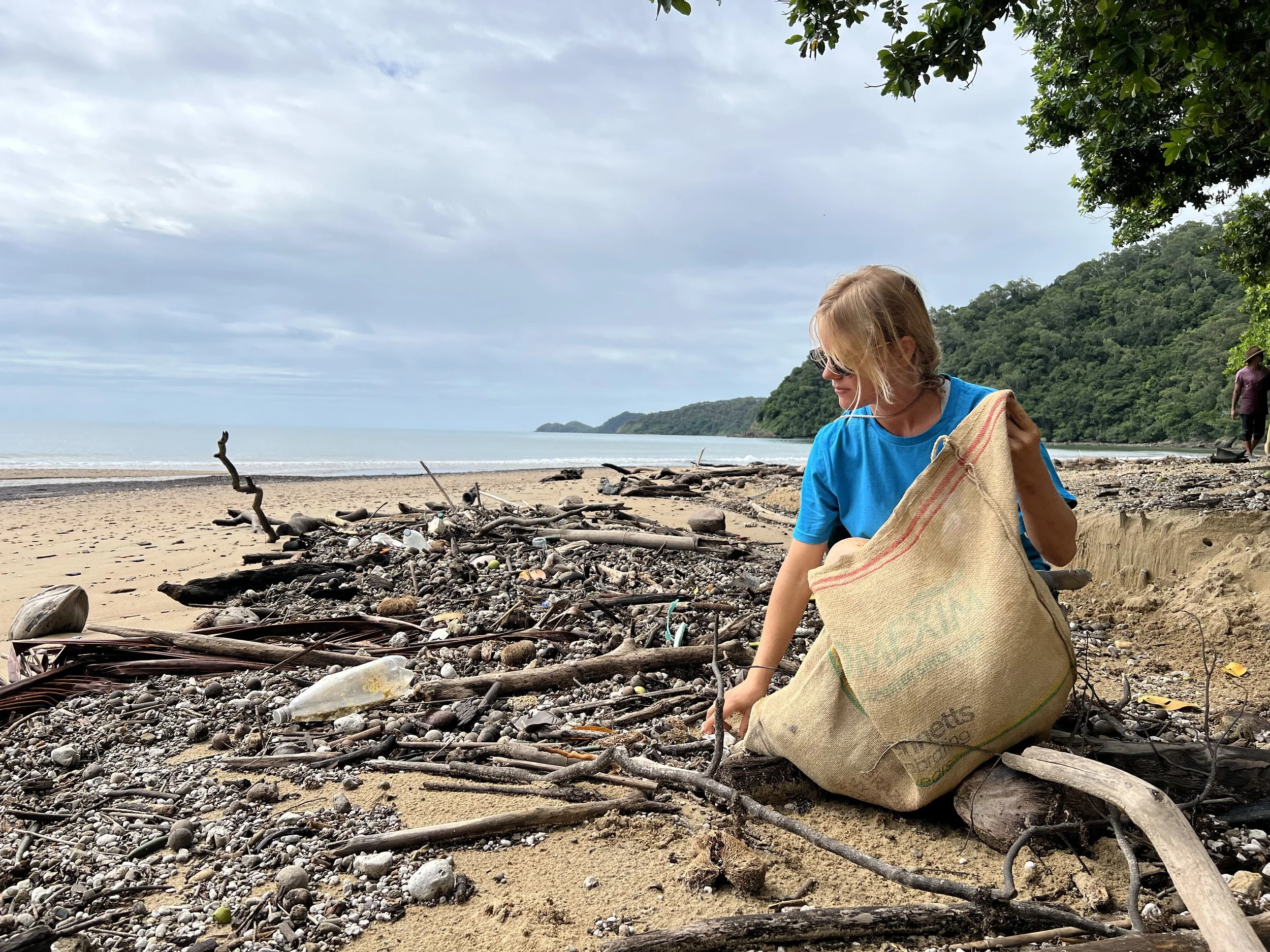
Every tide brings both life and pollution. As the water rises and falls, it leaves behind plastic bottles, ghost nets, fishing line, packaging fragments, microplastics and more. This debris does not stay on the surface. It becomes tangled in coral and caught among mangrove roots, and it is swallowed by turtles, seabirds and fish. Some of it leaches toxic chemicals, and some breaks down into fine particles that move into the marine food chain. Each piece is a lasting reminder of the gap between what we consume and what it costs the natural world.
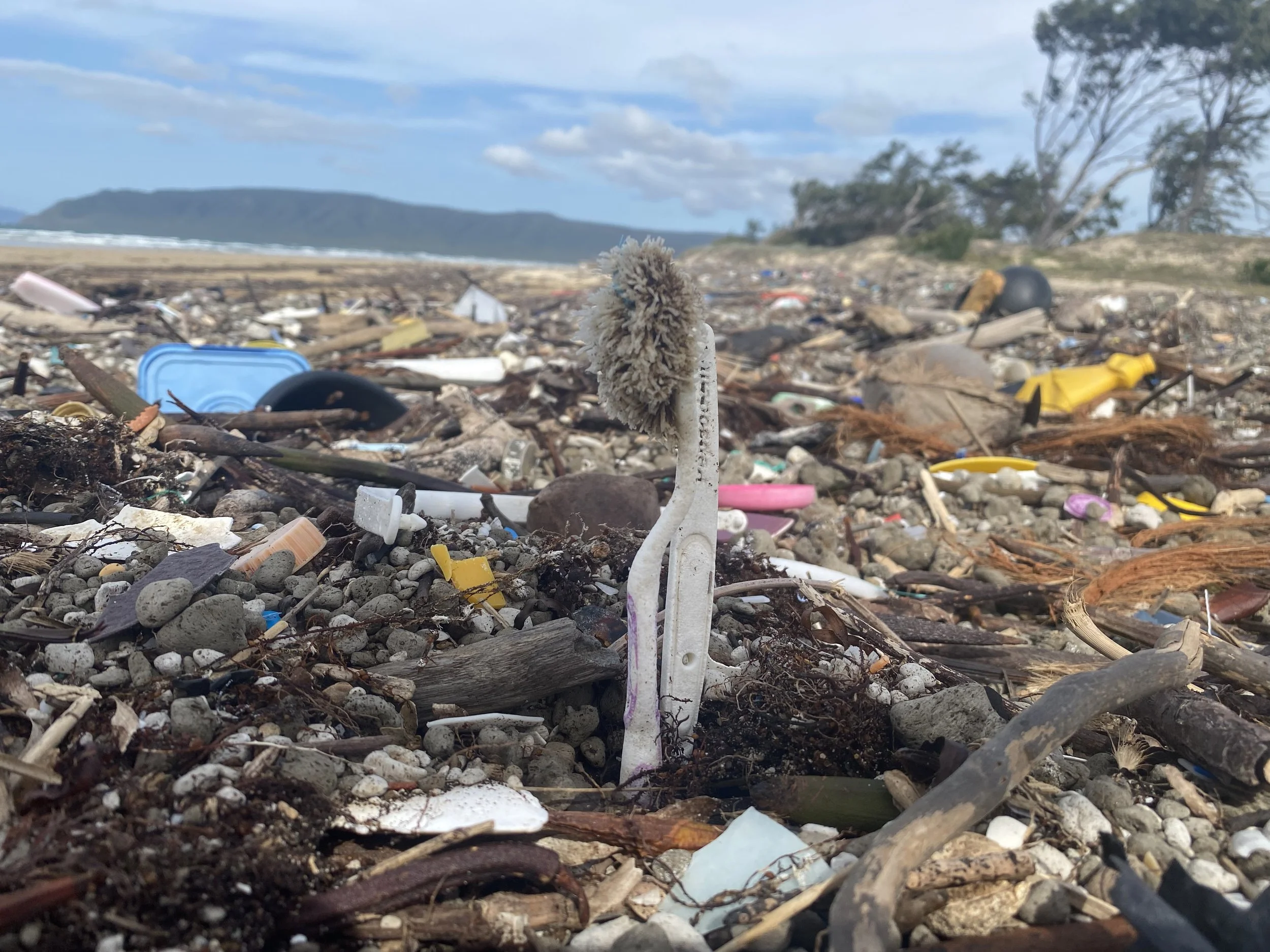
The figures are sobering. CSIRO research has found that around three-quarters of the rubbish along Australia’s coastline is plastic, much of which can persist for hundreds of years. Once in the ocean, plastic is carried by currents across vast distances and can accumulate in reef systems and biodiversity hotspots. Globally, an estimated 14 million tonnes of plastic enters the ocean each year. The Great Barrier Reef, already under pressure from coral bleaching, warming water and ocean acidification, faces a growing and less visible threat from this debris.
Plastic pollution affects far more than the familiar species such as turtles and dolphins. It reaches the foundations of marine ecosystems, smothering coral polyps, covering seagrass beds and replacing plankton in the diets of filter-feeding animals with microplastic particles. These effects move up the food chain and weaken the ecological function of the reef itself.
This is why every beach cleanup matters. Each bag of rubbish collected helps repair the ecosystem, reduces the plastic that would otherwise break down into smaller fragments, and removes a hazard from the marine food web. It is also why ClimateForce includes coastal protection in its wider approach to landscape-scale regeneration. Healthy rainforests and healthy reefs are connected by rivers, tides and the movement of life between them.
Our work on the land supports resilience in the sea, and our time on the beaches helps protect everything in between.
But why do coastlines matter so much?
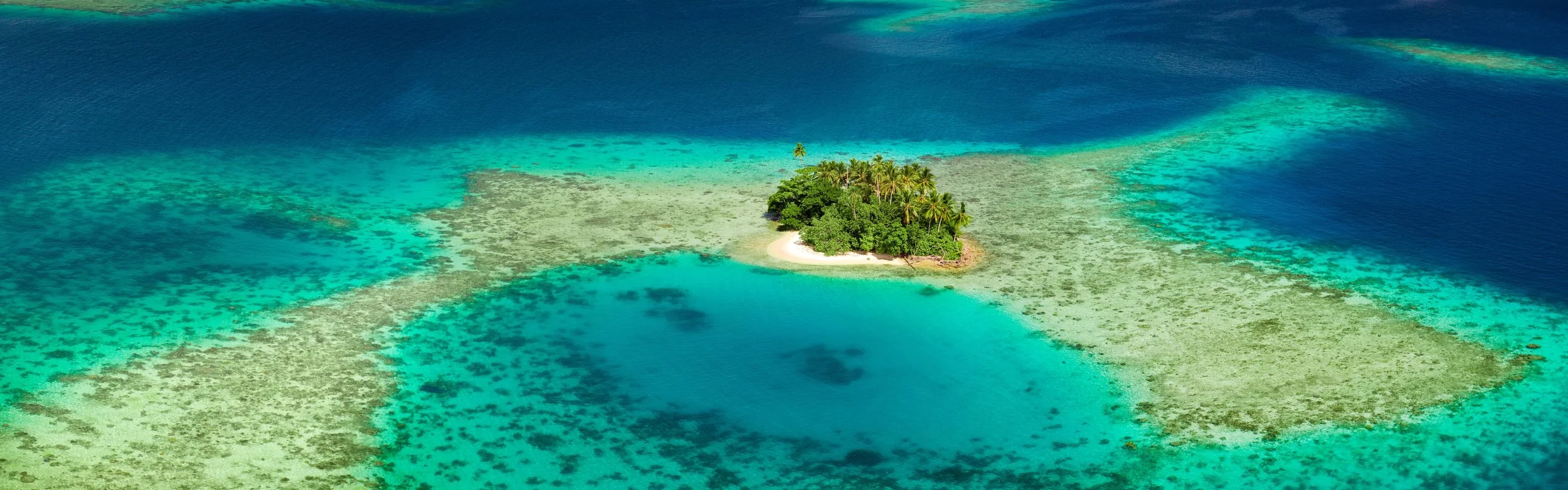
Because they are living systems, and among the most powerful, complex and underappreciated of them are mangroves. These coastal forests are much more than trees at the water’s edge. They shape their environment, buffer the coastline against climate impacts and shelter a remarkable diversity of life.
As climate extremes intensify, mangroves stand on the front line. Their interwoven roots absorb the energy of storm surges, protect shorelines from erosion and slow the inland advance of rising seas. During a single severe weather event, they can make the difference between minor flooding and serious damage to homes, communities and farmland.
They also act as natural filters. Their dense root networks trap sediment, microplastics and other pollutants before these reach the sea. This protects neighbouring ecosystems such as seagrass beds, mudflats and coral reefs, which in turn support fisheries, tourism and coastal economies.
Mangroves are also among the most effective carbon stores on the planet. Their waterlogged soils are rich in organic carbon, and their slowly decaying biomass can hold carbon for centuries. Per hectare, mangrove forests can store up to four times as much carbon as many tropical forests, making them important allies in addressing climate change.
At ClimateForce, we see the value of these systems first-hand. Along the outer edges of our property, mangrove-linked wetlands form an ecotone, a transition zone where land and sea meet. These wetlands mark the boundary of our restoration site and also underpin it, anchoring the site’s resilience and its ecological connections to the wider landscape.
These coastal forests support a wide range of life, from juvenile fish and crabs to migratory birds, frogs and pollinators. They serve as nurseries for marine species and as corridors for wildlife moving through the landscape. They also influence the local microclimate, moderating heat and holding moisture in nearby land.
So when we clean a beach, we are doing more than collecting plastic. We are stepping into a much larger cycle, removing waste before it becomes caught in mangrove roots, damages fragile habitat or enters the marine food chain, and helping protect the systems that sustain life along the coast.
In doing so, we strengthen climate resilience, protect habitat and support the natural infrastructure that shields both human communities and ecological networks. We are caretakers of the land, and also participants in a living, regenerating system.
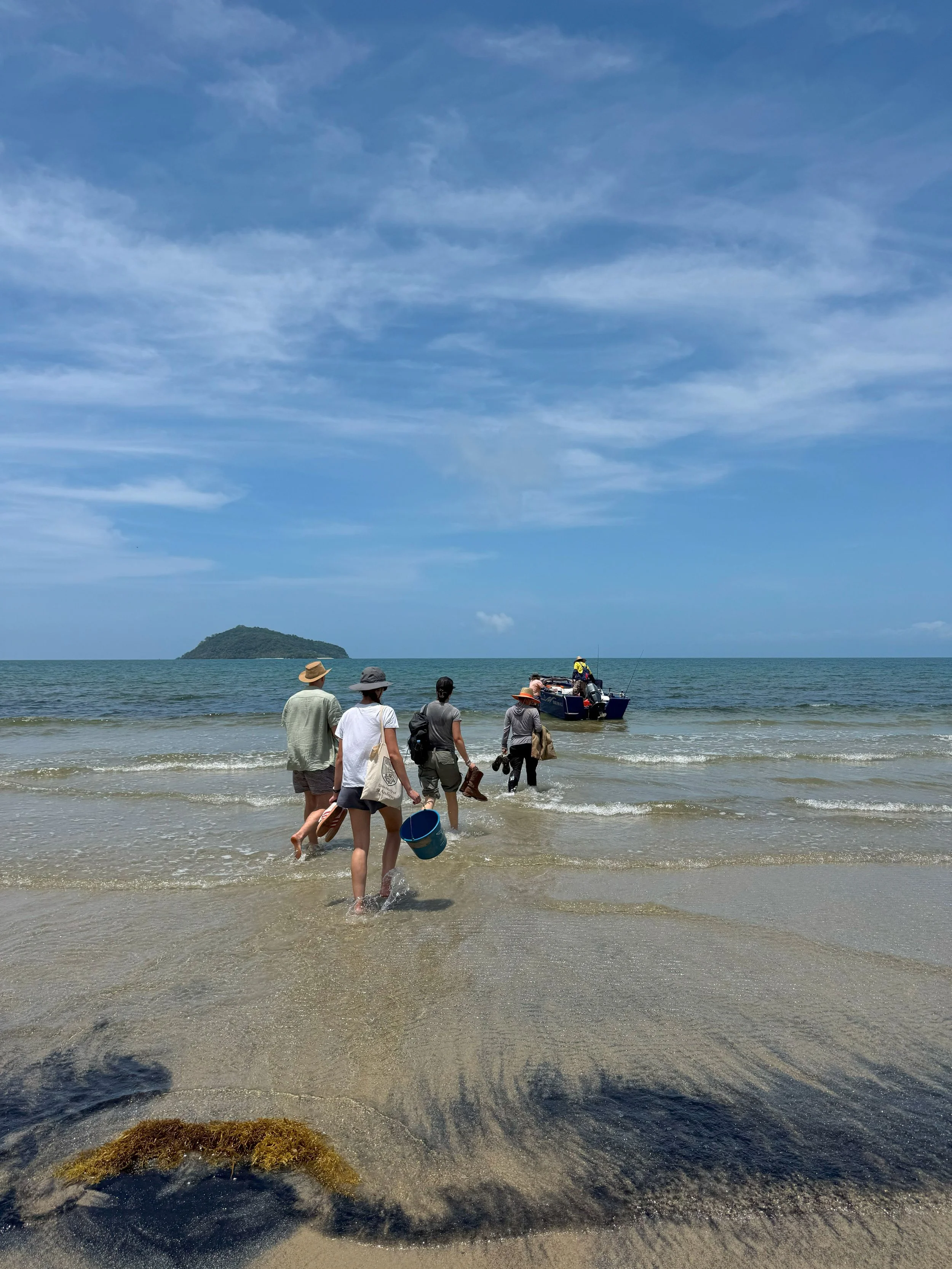
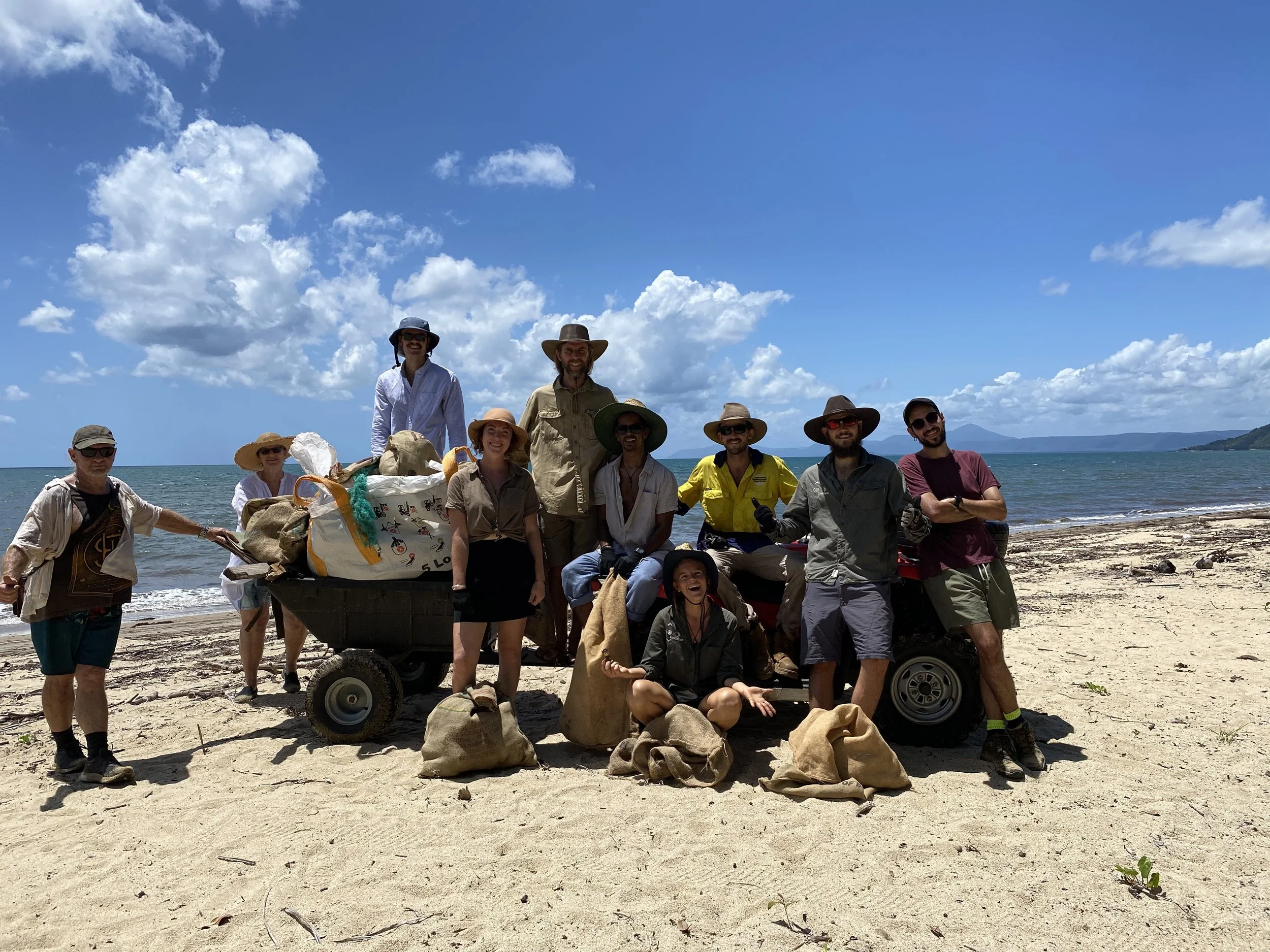
To date, more than 50 volunteers have joined us to remove 1,976.68 kilograms of rubbish, close to two tonnes, from these vulnerable coastlines. That includes plastic, fishing debris and abandoned waste, cleared from the edges of ecosystems that cannot absorb any further damage.
The work is physically demanding, often carried out in heat and humidity across remote terrain. It is also deeply rewarding, and it would not be possible without the committed people who turn up time after time, gloves on and ready to work.
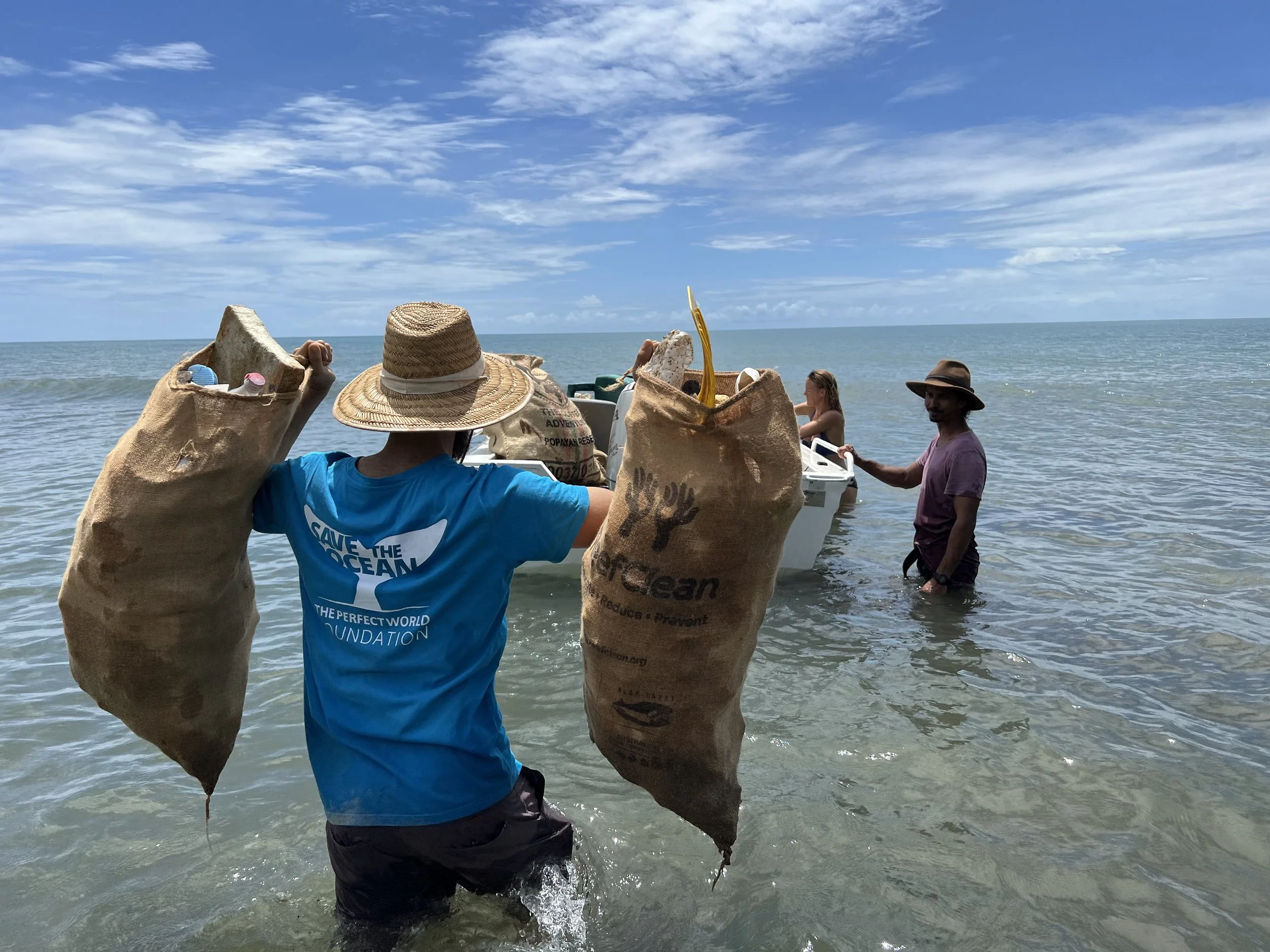
We are grateful to the Real World Foundation for their generous donation of an electric boat motor, which has transformed our cleanup work. It allows us to reach remote sites quietly and with no direct emissions, reducing our reliance on fuel-powered vessels and keeping our coastal work in step with our climate commitments.
To everyone who has worked alongside us, thank you.
To the Real World Foundation, thank you for making clean, quiet access to our coastline possible.
And to those yet to join us, there is still a great deal we can do together.
The ocean is calling. Let’s keep answering.